Measuring a nut correctly is essential to ensure compatibility with the screw or threaded rod, ensure correct tightening and avoid assembly problems, looseness or premature failure. In industrial, construction or maintenance environments, inaccurate measurement can result in supply errors, wasted time or unreliable joints.
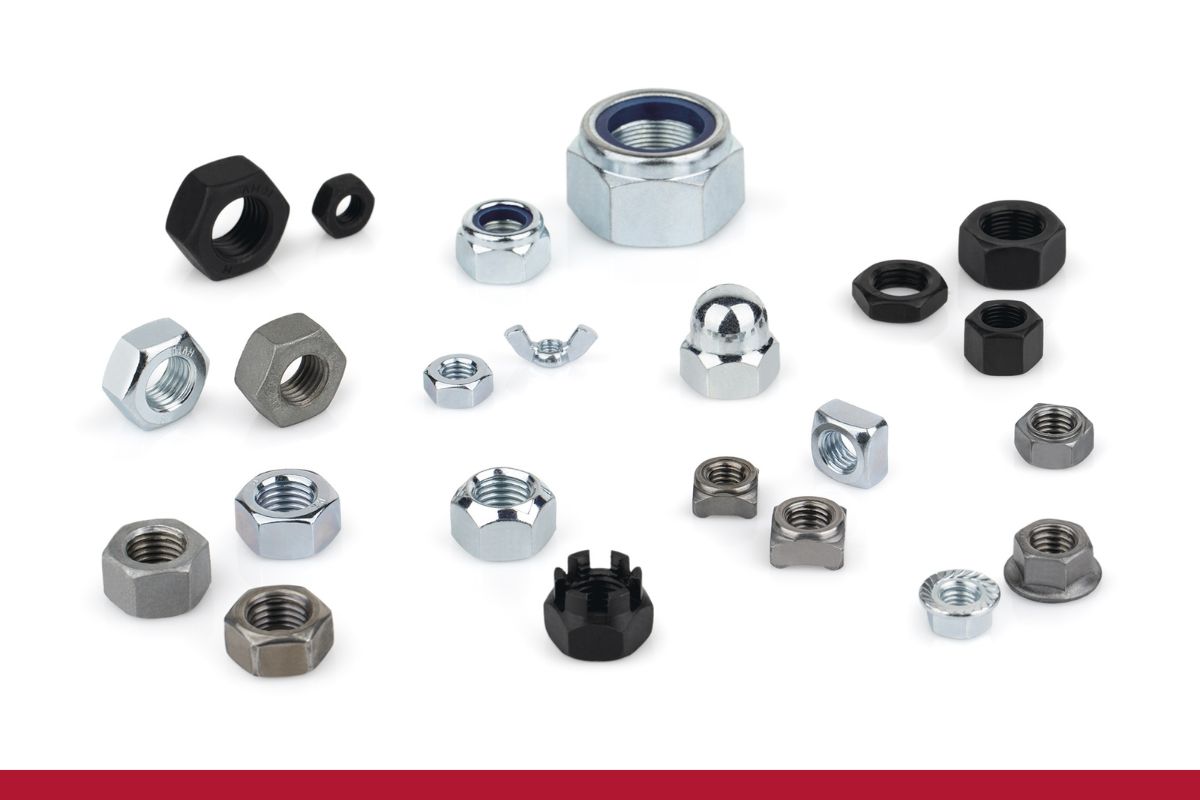
Knowing which dimensions to check and how to do so allows you to identify the right nut for each application, whether it is a standard hex nut, self-locking nut, structural nut or a specific solution from the range of industrial nuts available at CHAVESBAO.
What dimensions need to be measured on a nut?
To correctly identify a nut, it is necessary to check several key dimensions, as each one fulfils a specific function within the fastening system. These measurements allow you to verify compatibility with bolts, rods and tightening tools.
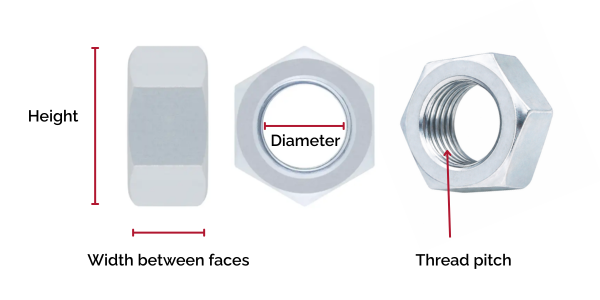
The fundamental dimensions that must be measured are the diameter of the thread, the pitch of the thread, the width between faces and the height of the nut.
How to identify the thread pitch
The thread pitch is the distance between two consecutive threads and determines how the nut engages with the bolt. In most industrial applications, the standard metric pitch is used, although fine pitches are available for specific uses.
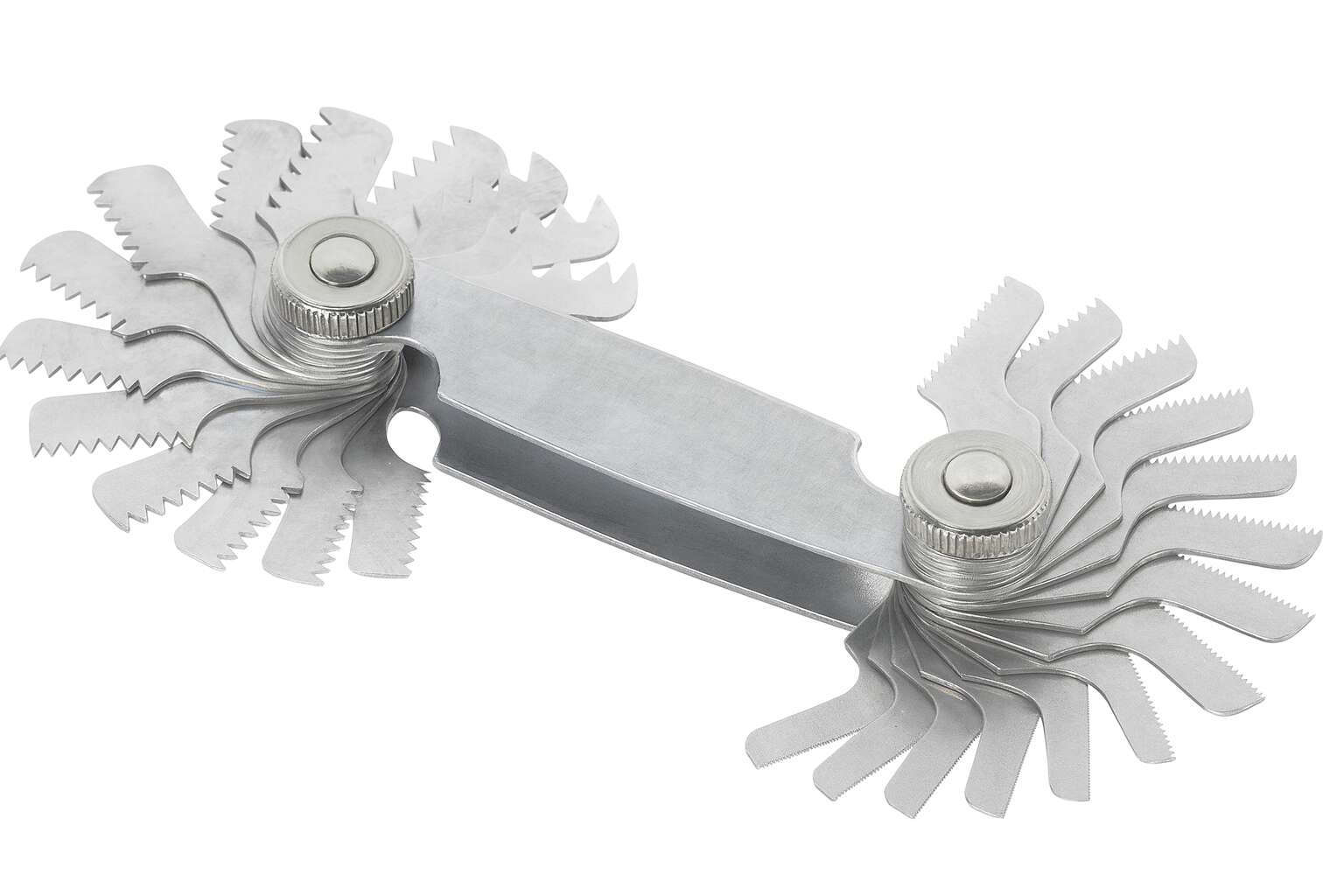
The most accurate way to identify it is by using a thread gauge, especially in self-locking nuts, structural nuts or assemblies where precise tightening control is required.
Measurement of width between faces
The face width defines the tool required for tightening and is standardised according to the nut manufacturing standard. This measurement is taken between two opposite faces using a gauge or a spanner.
It is important to note that two nuts with the same thread diameter may have different spanner widths, as is the case with a standard hex nut, a flange nut or a structural nut.
How to measure the height of the nut
The height of the nut directly influences the number of threads in contact with the bolt and, therefore, the load capacity of the joint. It is measured with a gauge placed on the upper and lower faces.
This dimension allows a standard nut to be differentiated from other solutions such as self-locking nuts, long nuts or structural nuts, which are commonly used in applications with higher mechanical demands.
Recommended tools for measuring a nut
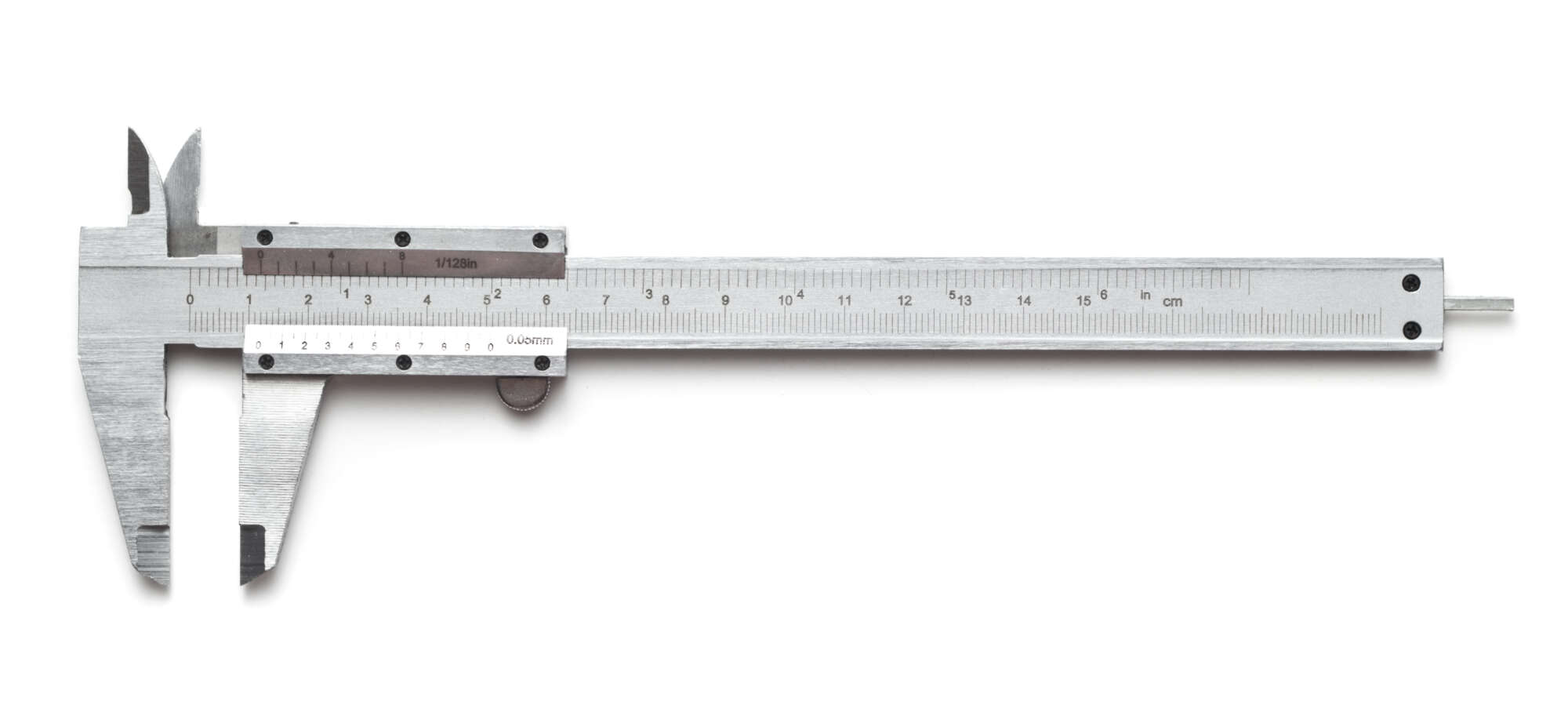
For accurate measurement, it is recommended to use simple but precise tools. A calibre or caliper is essential for measuring diameters, heights and widths. A thread gauge makes it easy to identify the pitch, and the width between faces can be checked either with the calibre itself or with a fixed or socket wrench, thus verifying compatibility with the tightening tool.
In industrial applications, relying solely on visual measurement can lead to errors, especially when working with used or slightly deformed nuts.
Relationship between measurements and manufacturing standards
The measured dimensions allow the nut’s manufacturing standard to be identified and checked to see if it corresponds to a specific DIN or ISO standard. These standards precisely define the diameter, pitch, wrench width and height.
For this reason, not all M10 nuts are the same. A standard hex nut, a self-locking nut or a structural nut may share the same thread diameter, but differ in geometry, mechanical behaviour and intended application.
Common errors when measuring a nut
One of the most common mistakes is to confuse the wrench width with the thread diameter. It is also common not to check the thread pitch and assume that all metric threads are the same.
Another frequent mistake is to measure deformed or worn nuts, which can lead to incorrect selections. Always checking the measurements on a part in good condition helps to avoid incompatibilities and assembly problems.
Practical application of measurement in nut selection
Applying the measurement criteria correctly facilitates the selection of the most suitable nut according to the type of joint and the level of assembly requirements. This practice improves compatibility between components, optimises the mechanical performance of the fastener and reduces incidents in assembly, maintenance and procurement.
At CHAVESBAO you can find a wide variety of industrial, standardised and technical nuts, adapted to the needs of each application.