Types of nuts: how to choose the right one for your application

Although often overlooked, the nut is essential for ensuring a firm and durable connection. Its function is to complement the bolt, maintain constant tightness and resist the tensile loads or vibrations to which a fastener is subjected.

Main types of nuts used in industry and construction

These are the most common types of nuts, their standards, technical characteristics, and typical uses.

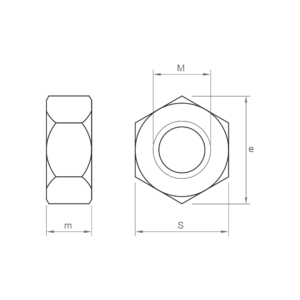
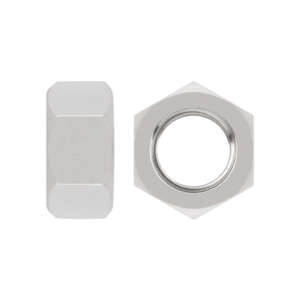
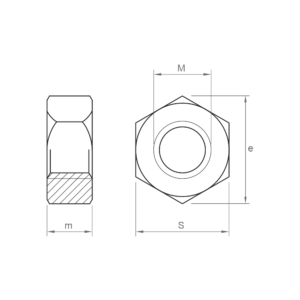
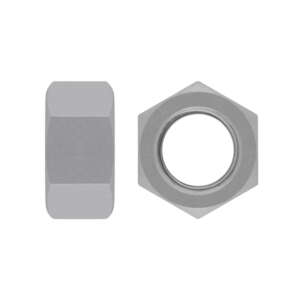
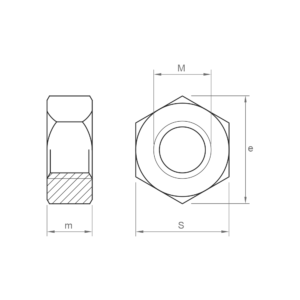
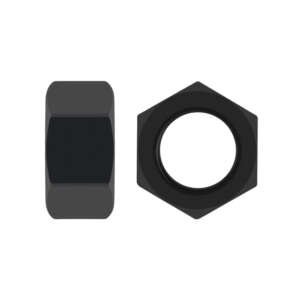
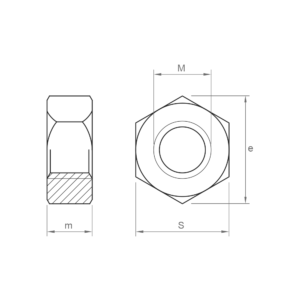
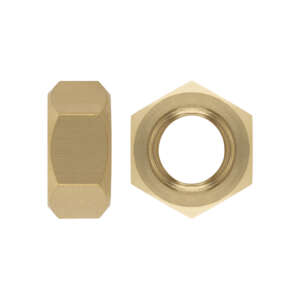
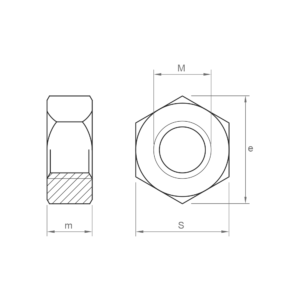
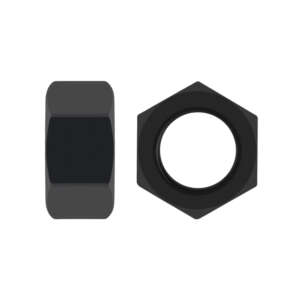
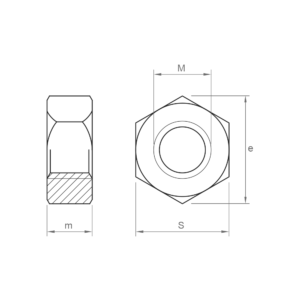
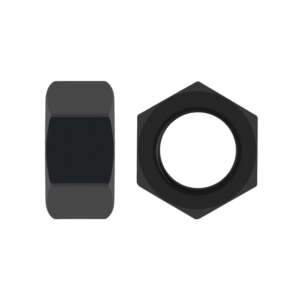
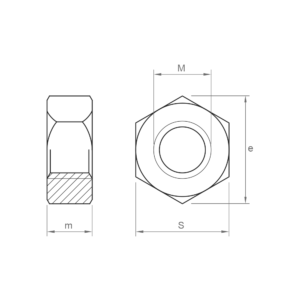
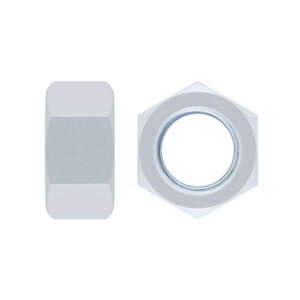
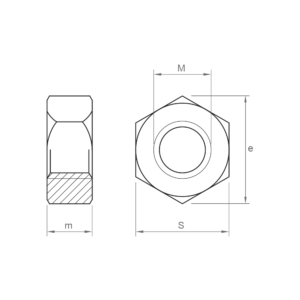
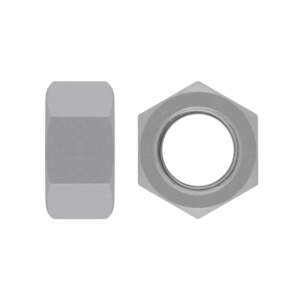
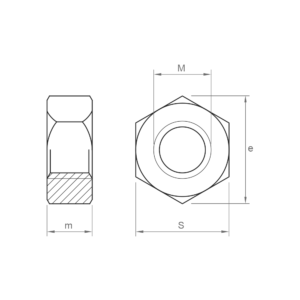
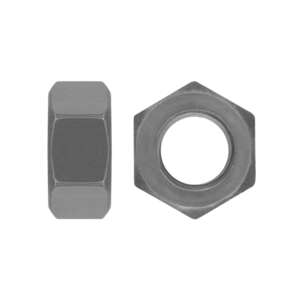
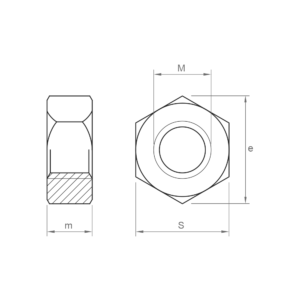
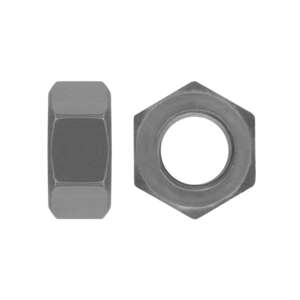
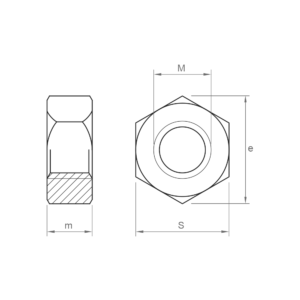
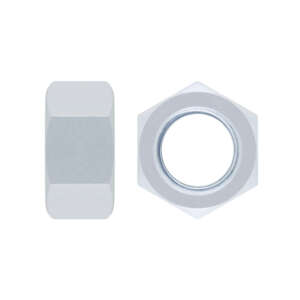
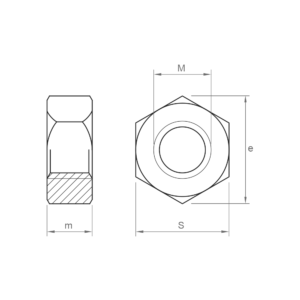
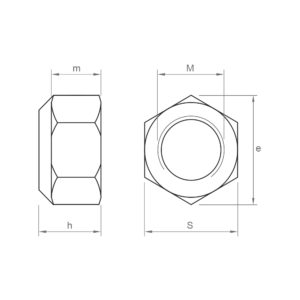
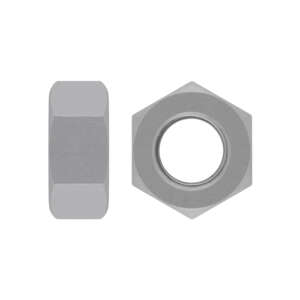
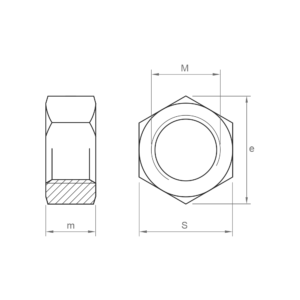
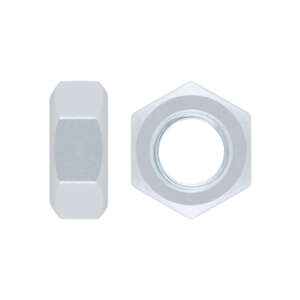
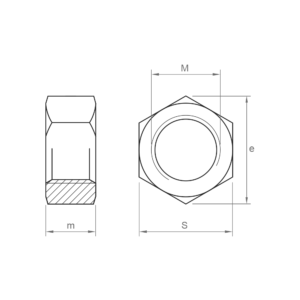
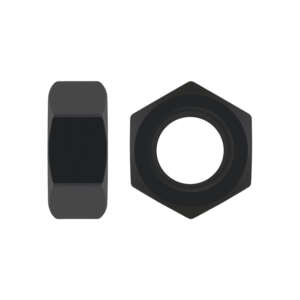
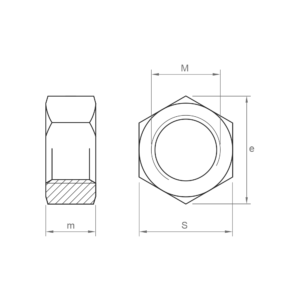
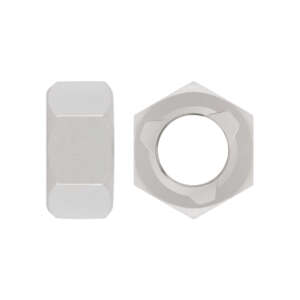
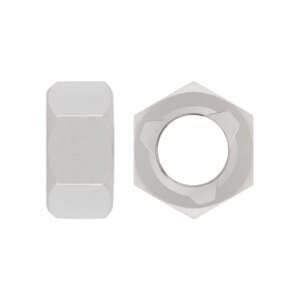
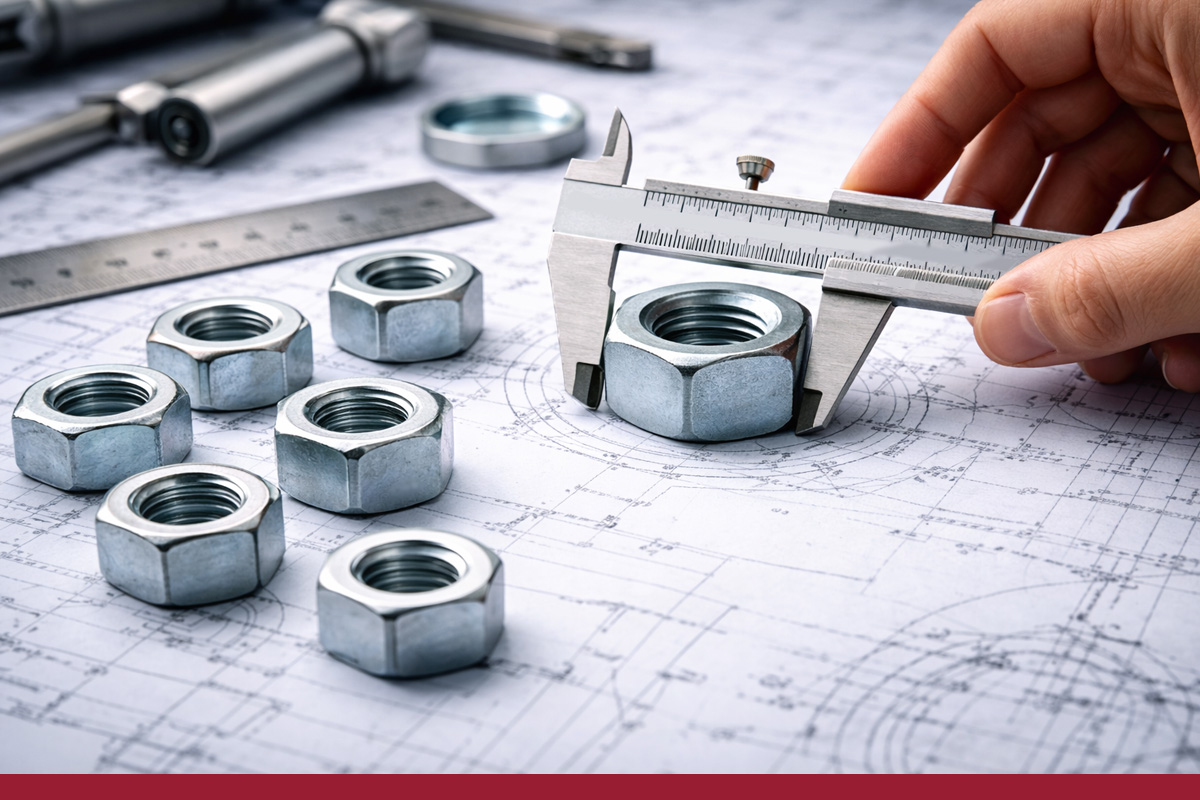
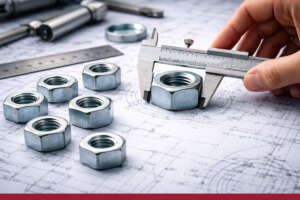
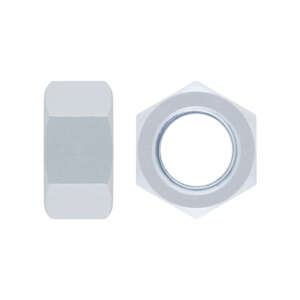
Hexagonal nuts: the most universal model. Their shape allows for tightening with a spanner or socket and good torque transmission. Manufactured in steel or A2/A4 stainless steel and in strength classes 8 or 10. Applications: metal structures, machinery and industrial installations.

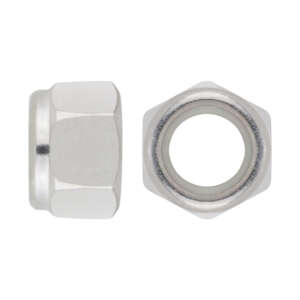
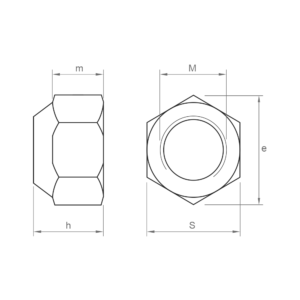
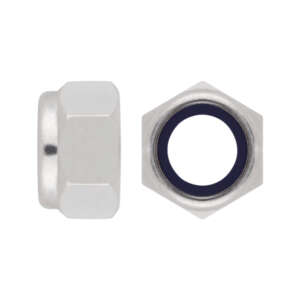
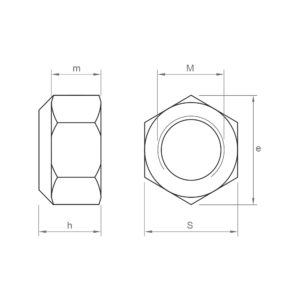
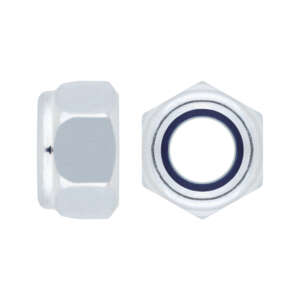
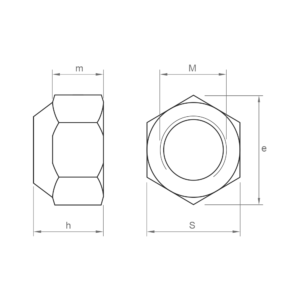
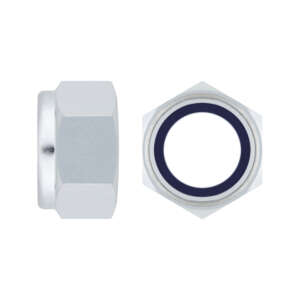
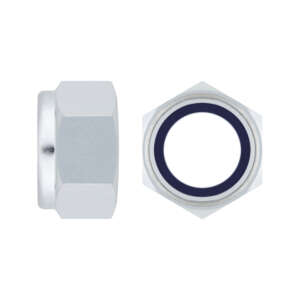
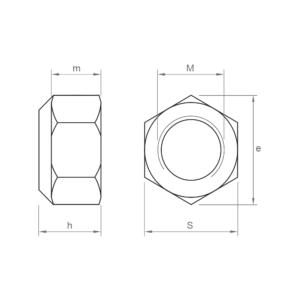
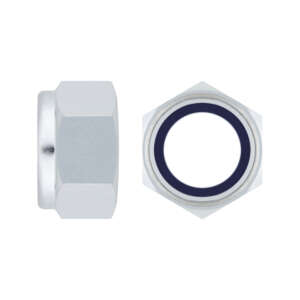
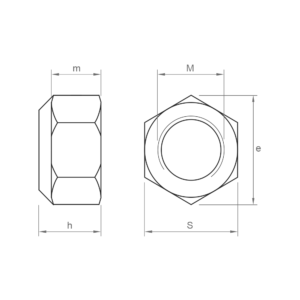
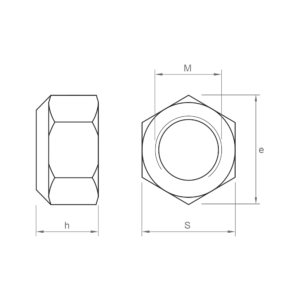
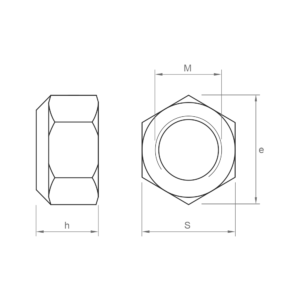
Self-locking nuts: incorporate a nylon ring or metal deformation that prevents loosening due to vibration. They replace spring washers or chemical fasteners. Applications: automotive, agricultural machinery and equipment subject to constant vibration.

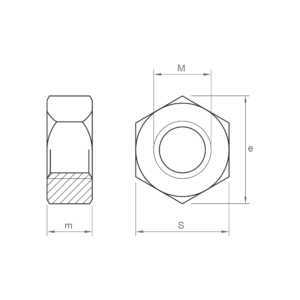
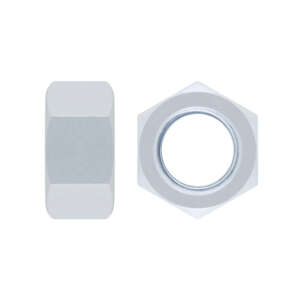
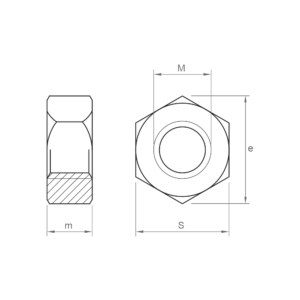
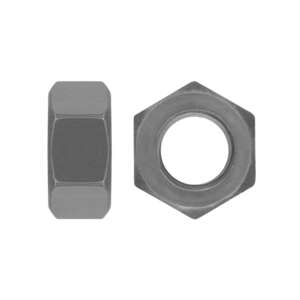
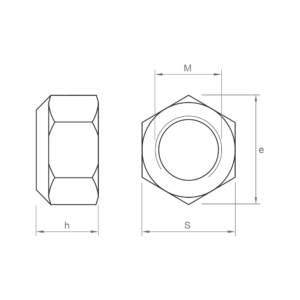
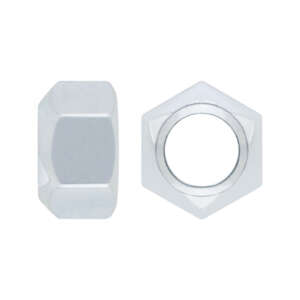
Structural nuts: designed for prestressed joints in steel structures, they offer greater height and a more robust design than a standard hexagonal nut, improving stress distribution and performance under high loads. They are used in metal structures, industrial buildings, bridges and supports where mechanical strength and long-term reliability are essential.

Lock nuts: all-metal, with controlled deformation locking. Temperature and wear resistant. Applications: engines, exhaust systems and high-heat machinery.

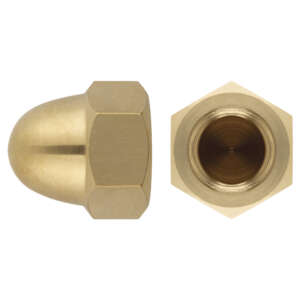
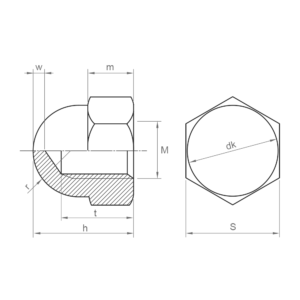
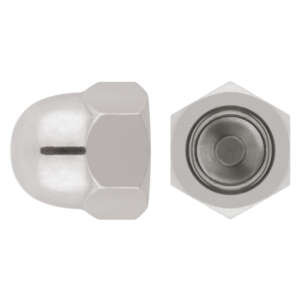
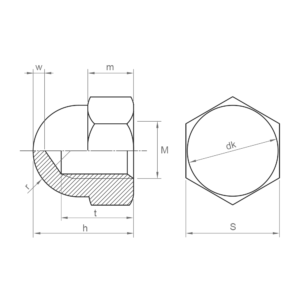
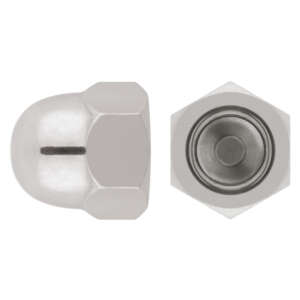
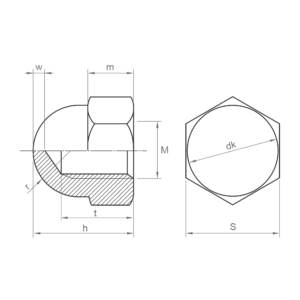
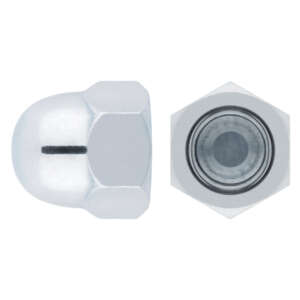
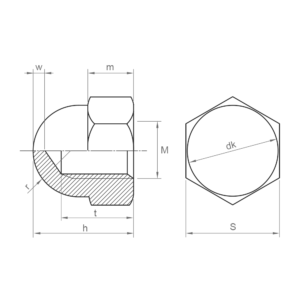
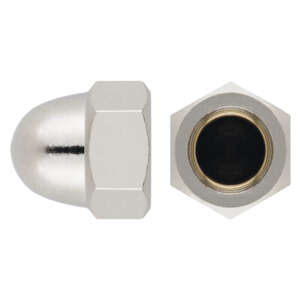
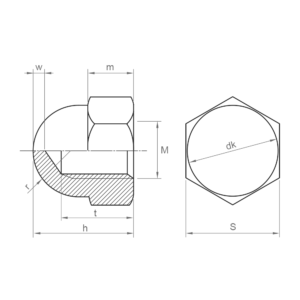
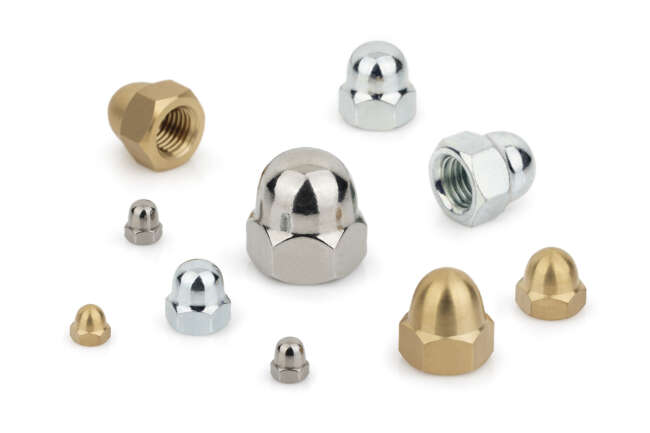
Blind nuts: they close the end of the screw, protecting the thread from moisture, dust, or impacts. They also provide a clean and aesthetic finish.

Wing nuts: designed to be tightened and loosened manually, without tools. They allow for quick assembly and frequent adjustments.

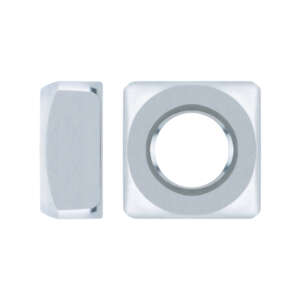
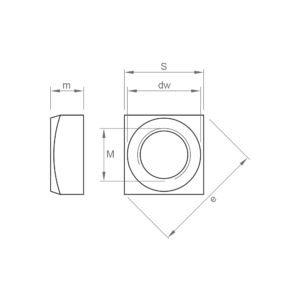
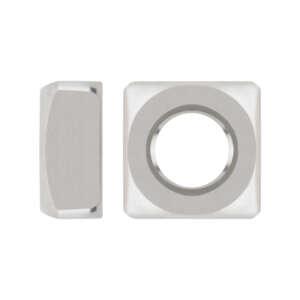
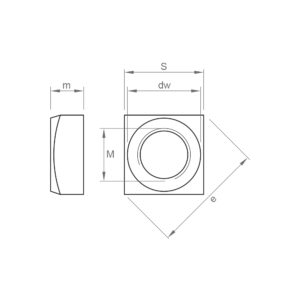
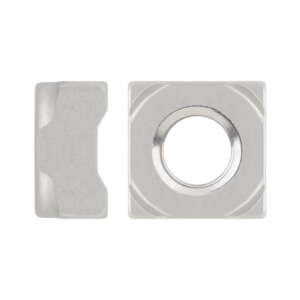
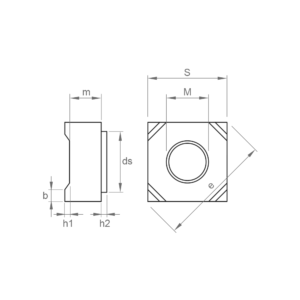
Square nuts: offer a wider support surface and reduce the risk of rotation in specific housings. Applications: metalwork, light structures or assemblies with U-profiles.

Long nut or union nut (DIN 6334)

Union nuts: connect two threaded rods while maintaining alignment. Applications: suspension systems, conduits, and support structures.

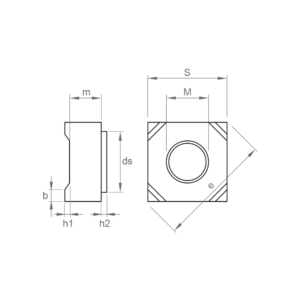
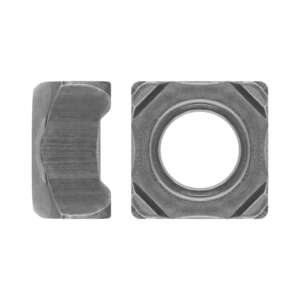
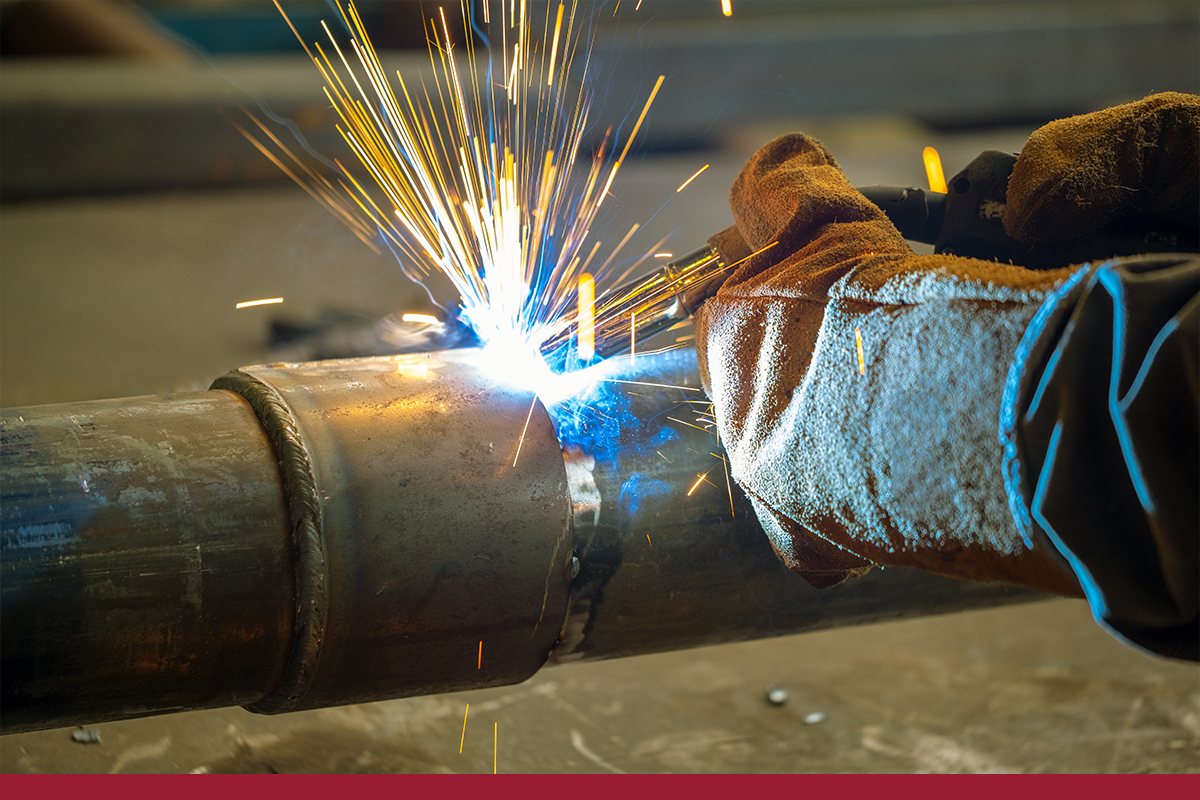
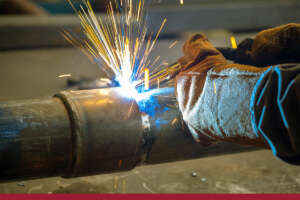
Weldable nuts: designed for spot or arc welding, creating permanent joints. Applications: chassis, frames and fixed metal structures.

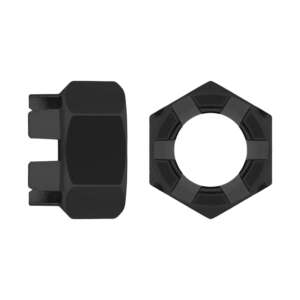
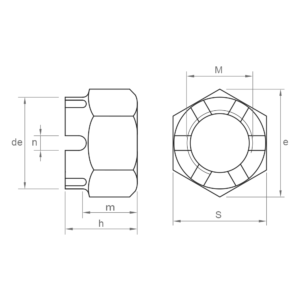
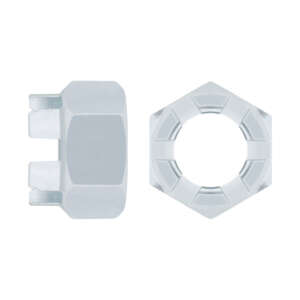
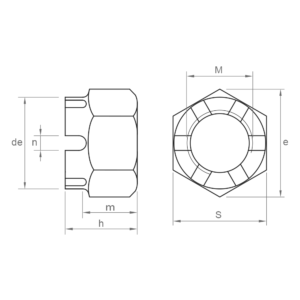
Slotted nuts: incorporate a pin that prevents loosening, even with torsion. Applications: shafts, steering systems and heavy machinery.

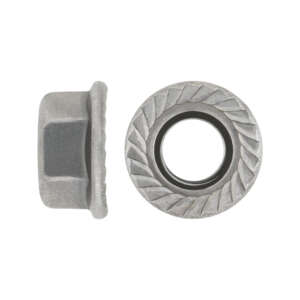
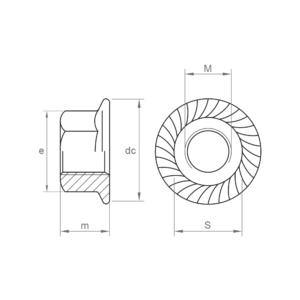
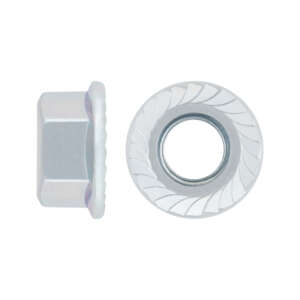
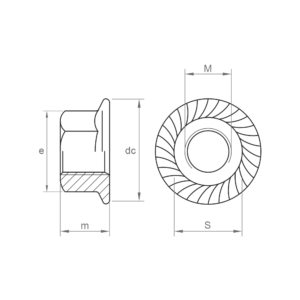
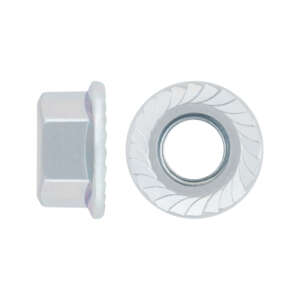
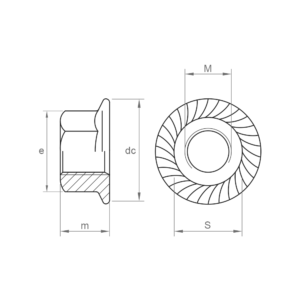
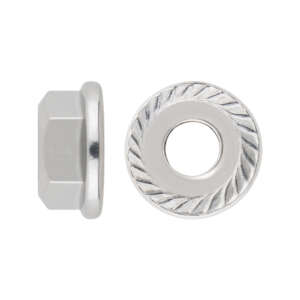
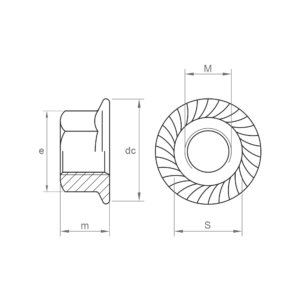
Flanged nuts: serrated or smooth base that distributes the load and eliminates the need for washers. Applications: automotive, lightweight structures and quick fastenings.

Rivetable or insertable nut

Rivetable nuts: create a strong thread in sheet metal or thin materials. They are installed with a riveting tool. Applications: car bodies, metalwork, panels and enclosures.

Most commonly used materials and finishes

Nuts are manufactured in different materials and coatings depending on the environment of use:

  • Zinc-plated steel: basic protection against corrosion indoors.
  • A2 stainless steel: high resistance to moisture and oxidation, ideal for outdoor use.
  • A4 stainless steel: better protection against marine or chemical environments.
  • Brass or technical polymers: electrical, light or decorative applications.
Tuercas Ciegas Din 1587 En Laton Acero E Inox
Stainless steel, zinc-plated, brass and nickel-plated brass blind nuts

How to choose the right nut

Choosing the right nut ensures safety and durability. Consider these key aspects:

Compatibility with the bolt

The thread (metric, fine, UNC or UNF) and strength class (e.g. 8.8 or 10.9) must match. An inferior nut may deform sooner and compromise the joint.

Conditions of use

  • In environments with vibration, use self-locking nuts or metal safety nuts.
  • For high temperatures, avoid nylon and choose metal versions.
  • In humid or corrosive environments, opt for A2 or A4 stainless steel.

Type of assembly

  • In permanent joints, weldable nuts offer maximum safety.
  • If frequent adjustments are required, choose wing nuts or flanged nuts.
  • In visible assemblies, cap nuts improve protection and aesthetics.

Load distribution

In soft materials or those with little support surface, square nuts or flanged nuts distribute the load better and prevent deformation.

Regulatory compliance

Choose DIN or ISO nuts, which ensure compatibility and consistent quality.

The right nut makes all the difference

Choosing the right nut is no minor detail: the safety and reliability of any joint depends on it.

At CHAVESBAO, you will find a complete range of DIN and ISO nuts in different materials, finishes and locking systems, designed to meet the demands of industry, construction and mechanical engineering.

Do you need more information?

CHAVES BILBAO, S.L. informs you that the personal data provided voluntarily on this website, the purpose, intended transfers and other circumstances of which are communicated when the personal data is collected, may, depending on the specific case, have any of the following purposes: responding to your request, complaint or question, maintaining the established relationship, the comprehensive and commercial management of customers, accounting and invoicing or sending of communications of news and activities related with CHAVES BILBAO, S.L., including by electronic means. The data included in our files is absolutely confidential and will be processed with the utmost confidentiality and in compliance with all the requirements set out in the General Data Protection Regulation (GDPR) of the 27th of April 2016. The data is registered in our files for the time necessary for the purpose for which it was collected. The period during which the personal data will be kept will be that established by current legislation and always during the period of the provision of the service for which it was provided. We do not recommend sending personal data that is classified as highly confidential by data protection legislation, such as that related to health, as it is not sent coded or encrypted. Therefore, if you send this type of data, it will be at your own risk. The user may at any time exercise their rights to access, rectify, oppose, cancel, limit processing or request its portability in accordance with the General Data Protection Regulation (GDPR) of the 27th of April 2016, sending a letter along with a photocopy of their DNI identity document, to CHAVES BILBAO, S.L. C/Bizkargi, 6 Polígono Industrial Sarrikola 48195 Larrabetzu - Bizkaia - Spain, or using the email address info@chavesbao.com.
Read more