Types of welding and when to use each process in industry

In industry, choosing a welding process does not depend solely on the equipment available. Other factors also come into play, such as the base material, the thickness of the workpiece, the working position, the production rate and the performance of the welded joint. For this reason, different processes are used side by side in workshops, metal fabrication and industrial maintenance, each offering specific advantages depending on the application.


Some systems stand out for their versatility in repair and assembly. Others offer greater productivity in repetitive production runs or greater control when working with sensitive materials or where high finish standards are required. Understanding the differences between them helps to select the most suitable consumables and to match each job to the most appropriate process.

Main types of welding used in industry

Among the most common processes in the industrial sector are coated electrode welding, MIG/MAG welding and TIG welding. These are widely used in manufacturing, structural work, maintenance and repair, although they do not perform equally well with all materials or under all working conditions.

Alongside these, there are also other processes such as oxy-fuel, resistance, plasma, laser and submerged arc welding. Their use is usually linked to specific requirements in terms of production, automation, precision or working with thick materials.

Coated electrode welding

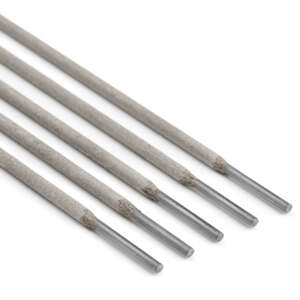
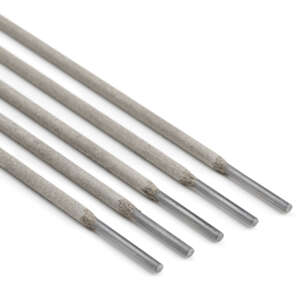
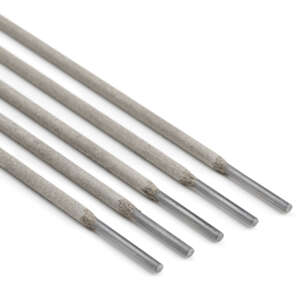
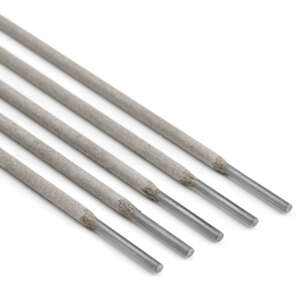
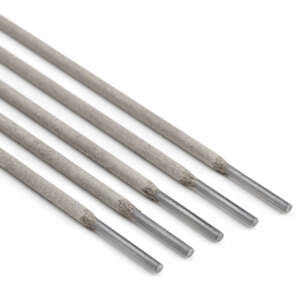
Coated electrode welding continues to play an important role when a process is required that is simple to use, adaptable and suitable for work outside production lines. It is commonly used in maintenance, assembly and repair work, particularly when working conditions do not allow for the use of systems that rely more heavily on gas or require a more stable working environment.

Its main advantage lies in its versatility. It allows different jobs to be tackled with relatively simple equipment and offers good adaptability depending on the consumable used. That is why it remains a practical solution for structures, on-site work and operations where functionality and robustness take precedence over speed of execution.

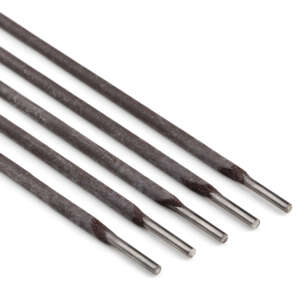
It is also a process heavily influenced by the consumable. An electrode designed for carbon steel is not used in the same way as one designed for stainless steel, hardfacing or specific applications on particular materials. Therefore, when the job requires the joint to be adapted to the base material and service conditions, it is important to select the welding electrodes carefully.

MIG/MAG welding

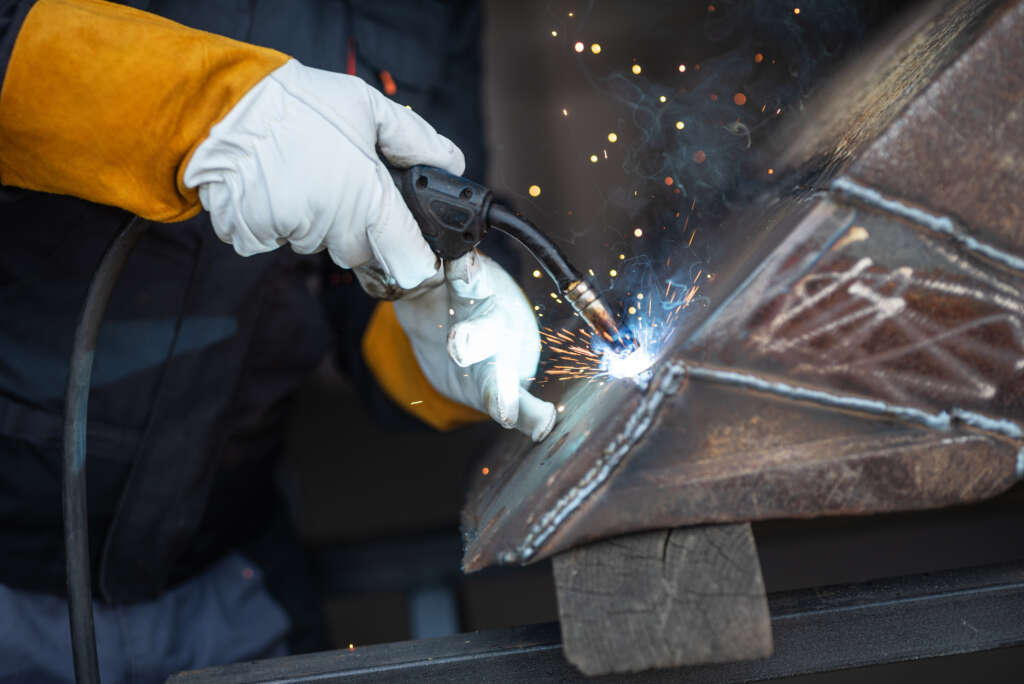
MIG/MAG welding is one of the most widely used methods when seeking continuous operation and high performance in metal fabrication. Its use of continuous wire facilitates a smoother weld bead and greater consistency in repetitive processes, making it a common choice in workshops and production environments.

It is a particularly useful process when high deposition rates are required, good welding stability needs to be maintained, and work needs to be carried out efficiently on parts of varying geometry. It is frequently used in structural work, boilermaking, general fabrication and other tasks where productivity is a key consideration.

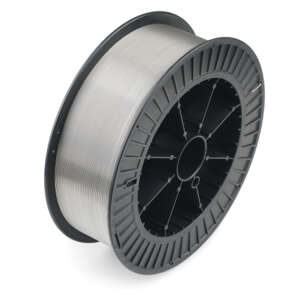
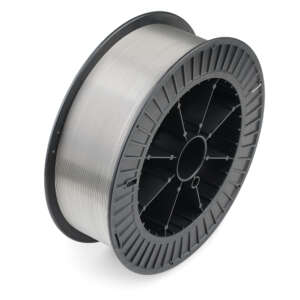
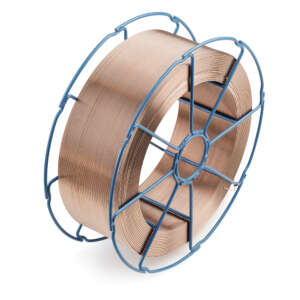
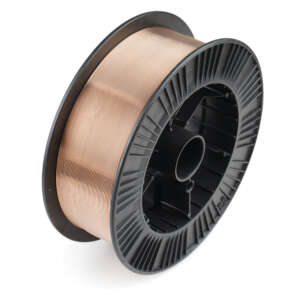
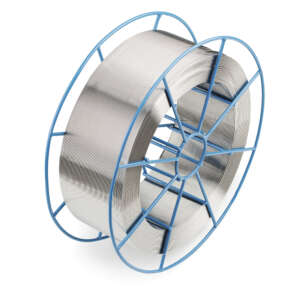
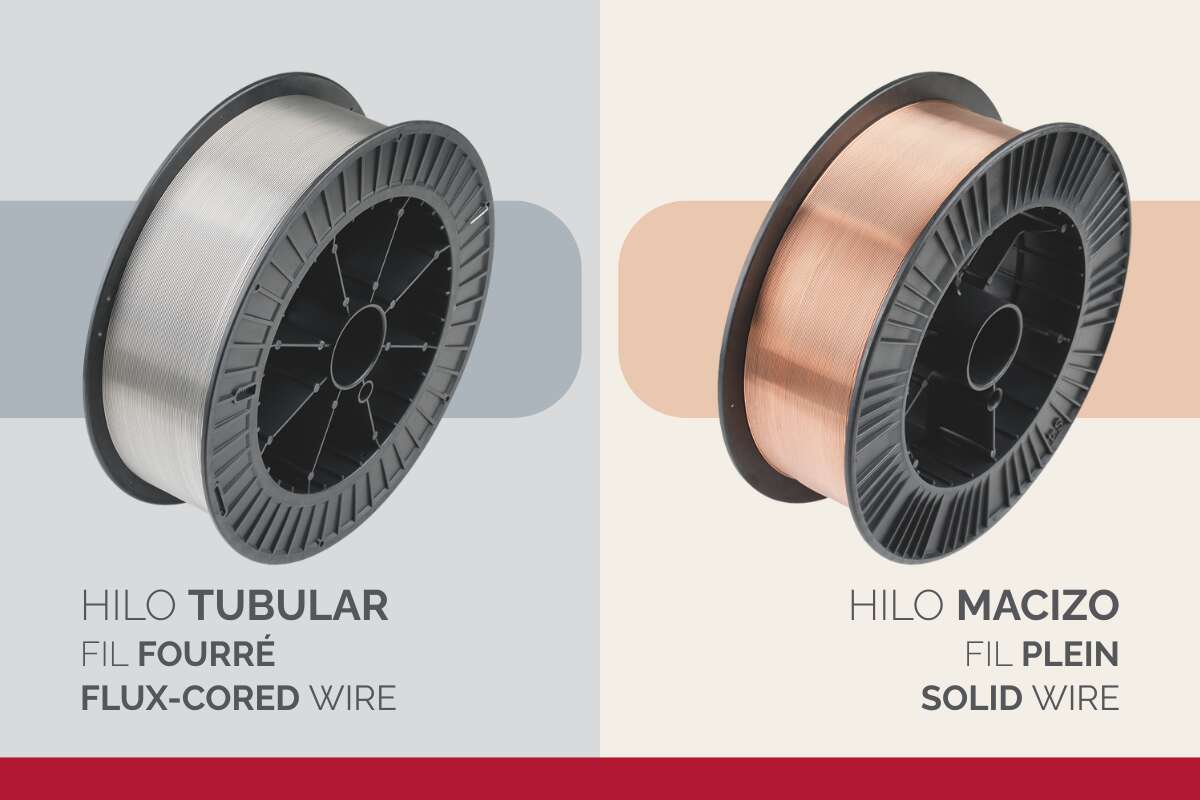
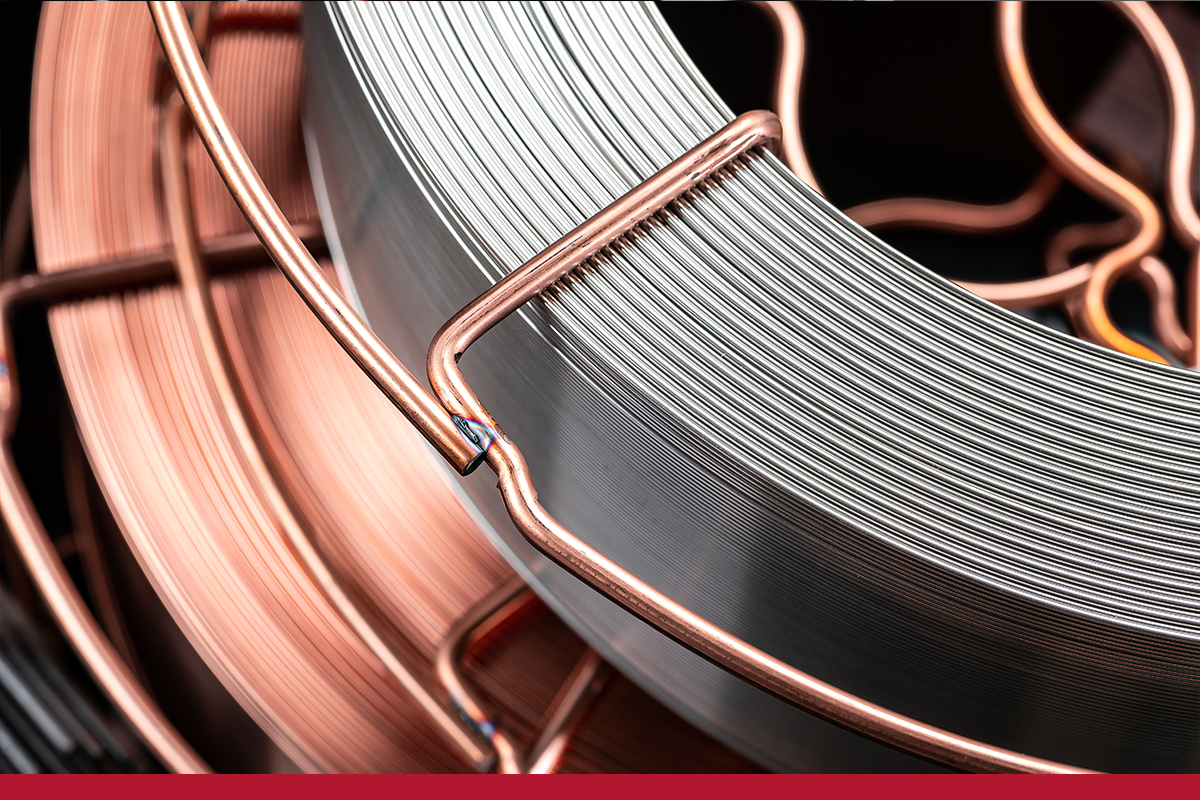
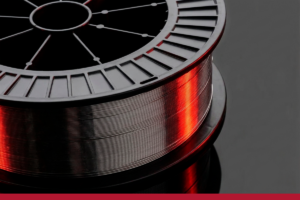
Within this group, the difference between MIG and MAG relates to the shielding gas used. This choice influences the behaviour of the process and the type of material it is best suited to work with. In practical terms, the system is closely linked to the use of solid wire for MIG/MAG welding when arc stability and a consistent weld bead are required, and flux-cored wire for welding when the requirements for penetration, productivity or working conditions change.

TIG welding

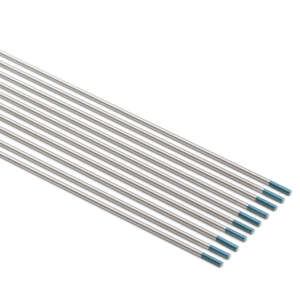
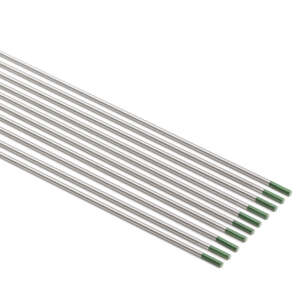
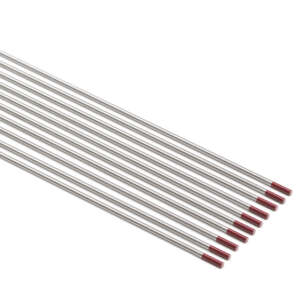
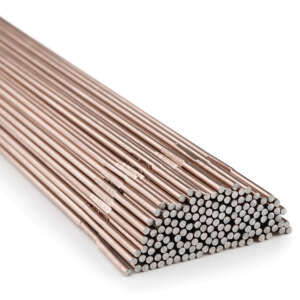
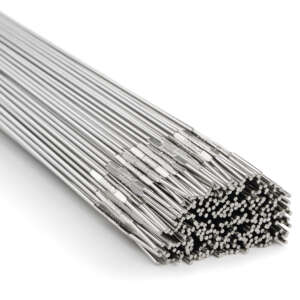
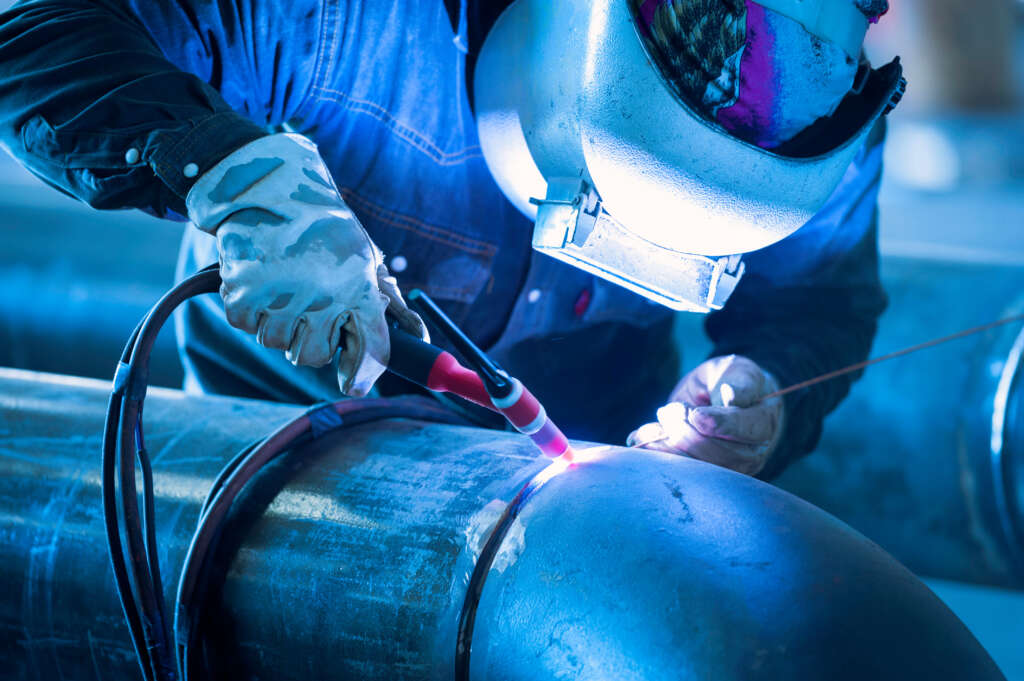
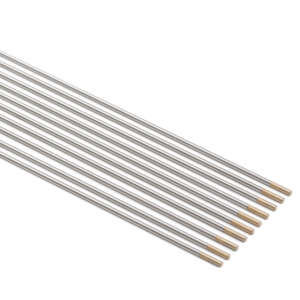
TIG (Tungsten Inert Gas) welding is used when the job requires greater control over the weld bead and a more precise finish. Compared to other processes that are more speed-oriented, TIG stands out for allowing a more controlled heat input and a cleaner result, particularly on parts where the final finish is important.

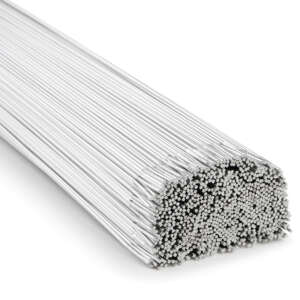
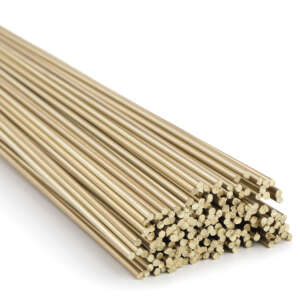
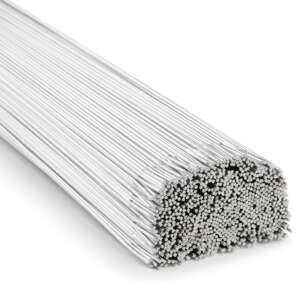
It is a common solution for materials such as stainless steel, carbon steel, aluminium or copper, as well as for jobs where it is advisable to better limit heat input or pay closer attention to the appearance of the joint. For this reason, it is often used in applications where precision takes precedence over pure productivity.

It is not the fastest process, but it is one of the most suitable when greater control is required during welding. In this respect, TIG is often associated with more detailed work, visible joints or materials that require more careful execution to maintain their performance.


Worker Welding Metal Piping Using Tig Welder
A worker welding metal pipes using TIG welding

Other industrial welding processes

In addition to the most common systems used in metal fabrication and maintenance, there are other processes that also form part of the industrial environment. Oxy-fuel welding, for example, is still used in certain repair and filler rod welding operations. Although it plays a less prominent role in general production today, it remains useful in specific contexts.

Resistance welding is used primarily in repetitive sheet metal work, where the aim is to join parts quickly and uniformly. Plasma welding and laser welding are geared towards applications requiring greater precision and more concentrated thermal control. Submerged arc welding, for its part, is used in heavy manufacturing and for long welds on thick sections.

How to choose the right welding method based on the material and application

Choosing the right process involves first assessing which material is to be welded and the conditions under which the work will be carried out. A joint on carbon steel in mass production does not respond in the same way as a one-off repair on stainless steel or a weld on aluminium, where control over the filler material is more important.

The thickness of the workpiece also plays a role. Some processes are more practical for light or precision work, whilst others offer better performance on thicker materials or for longer, continuous welds. Added to this are factors such as the welding position, the working environment and the need to move around or work on-site.

From a production perspective, MIG/MAG is usually a suitable option when high deposition speed and consistency are required. The coated electrode remains very useful for maintenance, assembly and jobs requiring greater versatility. TIG, on the other hand, is usually the best choice when control, clean weld beads and precision in the filler metal are prioritised.

In all cases, the process should not be assessed in isolation. The choice of consumables, filler material and accessories used during the process also contributes to the final result. Therefore, making the right choice is not just about deciding how to weld, but about determining which combination of process and consumables will produce the most reliable joint for each application.

Do you need more information?

CHAVES BILBAO, S.L. informs you that the personal data provided voluntarily on this website, the purpose, intended transfers and other circumstances of which are communicated when the personal data is collected, may, depending on the specific case, have any of the following purposes: responding to your request, complaint or question, maintaining the established relationship, the comprehensive and commercial management of customers, accounting and invoicing or sending of communications of news and activities related with CHAVES BILBAO, S.L., including by electronic means. The data included in our files is absolutely confidential and will be processed with the utmost confidentiality and in compliance with all the requirements set out in the General Data Protection Regulation (GDPR) of the 27th of April 2016. The data is registered in our files for the time necessary for the purpose for which it was collected. The period during which the personal data will be kept will be that established by current legislation and always during the period of the provision of the service for which it was provided. We do not recommend sending personal data that is classified as highly confidential by data protection legislation, such as that related to health, as it is not sent coded or encrypted. Therefore, if you send this type of data, it will be at your own risk. The user may at any time exercise their rights to access, rectify, oppose, cancel, limit processing or request its portability in accordance with the General Data Protection Regulation (GDPR) of the 27th of April 2016, sending a letter along with a photocopy of their DNI identity document, to CHAVES BILBAO, S.L. C/Bizkargi, 6 Polígono Industrial Sarrikola 48195 Larrabetzu - Bizkaia - Spain, or using the email address info@chavesbao.com.
Read more