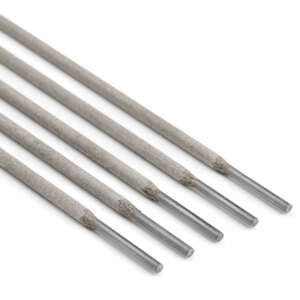
Types of welding electrodes by material and application

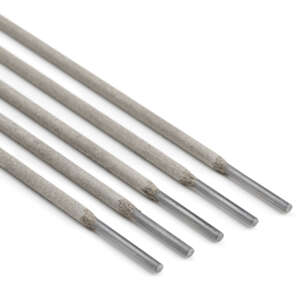
The various types of welding electrodes are selected based on the base material, working conditions and the mechanical requirements of the joint. Choosing the right consumable ensures arc stability, proper penetration and reliable weld bead performance in structural applications, metal fabrication and industrial maintenance.

Depending on the application, electrodes can be used on carbon steels, stainless steels, cast steel, Corten steel or for wear-resistant surfacing work. There are also specific electrodes for processes such as TIG welding, as well as consumables designed for technical work on special materials or field operations.

Understanding the characteristics of each type of electrode makes it easier to select the most suitable solution based on the base material and the service conditions of the component to be welded.

Electrodes for welding carbon steel

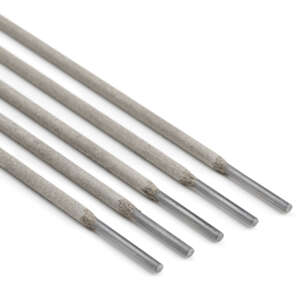
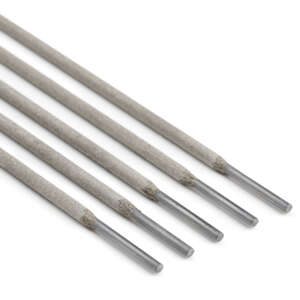
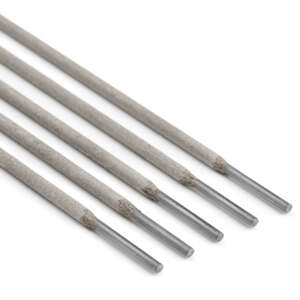
Electrodes for carbon steel are commonly used in metal fabrication, structural assembly and maintenance work where a reliable joint is required in unalloyed or low-alloy steels. They are a popular choice for general welding applications due to their good performance during the process and their ability to adapt to different thicknesses and welding positions.

Selecting the right electrode depends on factors such as the type of joint, the working conditions and the mechanical requirements of the assembly. Choosing the correct consumable improves process stability and ensures uniform weld beads in structural applications and standard industrial work.

Choosing the right type of welding electrode allows you to optimise weld bead quality, improve process productivity and ensure the mechanical performance of the joint, depending on the base material and the working environment.

In addition to the standard electrodes used for structural steels, stainless steels and specialised surfacing or maintenance applications, specific consumables can also be used for cast iron, aluminium or repairs involving special alloys in field operations or component refurbishment, particularly in field operations or component refurbishment.

Analysing the service conditions, the type of material and the intended welding process is key to selecting the right electrode and ensuring reliable results in metal fabrication and industrial maintenance.

Electrodes for welding stainless steel

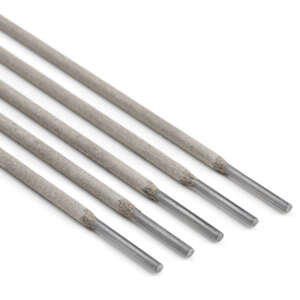
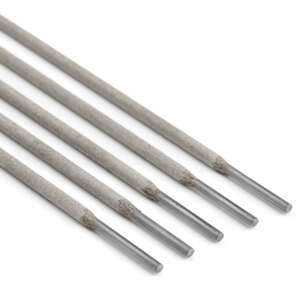
Electrodes for stainless steel are used in applications where it is necessary to maintain the corrosion resistance and mechanical properties of the base material after welding. They are commonly used in the manufacture of industrial equipment, structures exposed to corrosive or aggressive environments, and components used in sectors where the durability of the joint is a key technical requirement.

The electrode must be selected based on the type of stainless steel and the service conditions of the component, ensuring metallurgical compatibility and adequate corrosion resistance. Using the appropriate consumable ensures stable weld beads and maintains the material’s performance in structural and maintenance applications.

Electrodes for welding cast steel

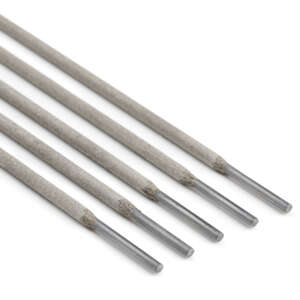
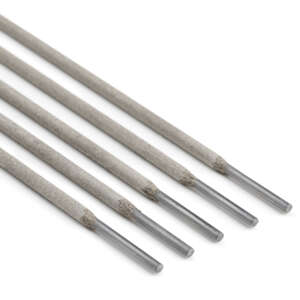
Electrodes for cast steel are mainly used in repair, maintenance and restoration work on components subjected to mechanical stress or in structural repair projects. They are commonly used on castings where it is necessary to restore the material’s integrity or reinforce areas damaged by wear and tear.

The choice of the appropriate electrode must take into account the type of part, the operating conditions and the requirements of the joint, particularly in applications where the reliability of the repair is critical. Using consumables compatible with the base material improves the performance of the weld and ensures a safer operation in industrial environments.

Wear-resistant hardfacing electrodes

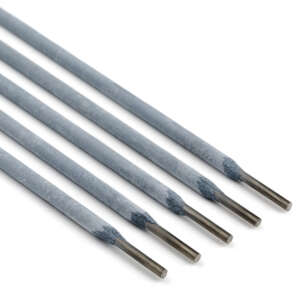
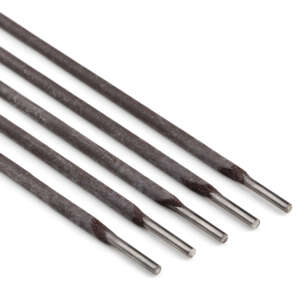
Hardfacing electrodes are used to restore worn parts to their original dimensions or to increase surface resistance to abrasion, impact or friction. They are commonly used in industrial maintenance work on components subjected to severe operating conditions, particularly in machinery, production equipment and parts exposed to continuous wear.

The choice of electrode depends on the type of stress acting on the part and the base material to which the coating is applied. Using suitable consumables helps to extend the service life of components and reduce downtime associated with replacements or more complex repairs.

Electrodes for welding Corten steel

Electrodes for Corten steel are designed to preserve the characteristic properties of this material, particularly its resistance to atmospheric corrosion in outdoor applications. They are commonly used in exposed metal structures, architectural features, street furniture and projects where the material’s aesthetic appeal and durability are integral to the design.

Choosing the right electrode ensures compatibility with the base material and maintains the uniformity of the finish after welding. Using consumables specifically designed for Corten steel helps to maintain the joint’s performance in outdoor environments and ensures consistent behaviour of the structural assembly.

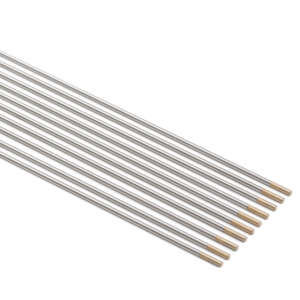
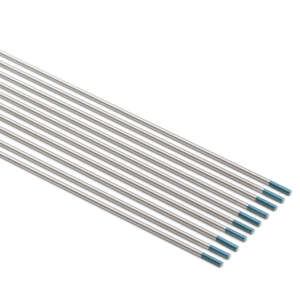
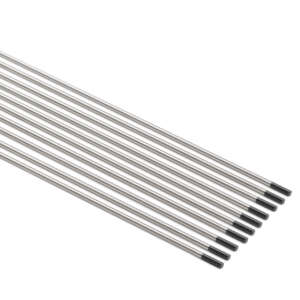
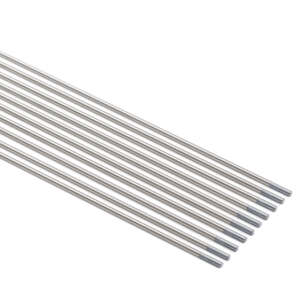
Tungsten electrodes for TIG welding

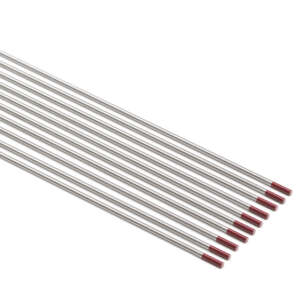
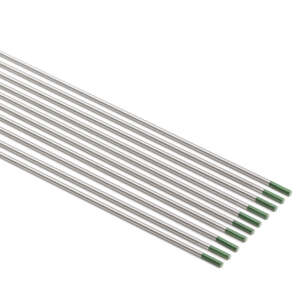
Tungsten electrodes are used in the TIG welding process as a conductor for the electric arc without adding material to the weld bead. Their stable performance at high temperatures allows for high-precision work on joints where thermal control and finish quality are critical factors.

They are commonly used for welding stainless steels, aluminium, special alloys and in applications where clean, controlled welds are required. The choice of electrode must take into account the base material, the type of current used and the process conditions, as it is a key component in ensuring arc stability and the quality of the joint.

Other types of electrodes used in specific welding applications

In addition to the standard electrodes used for structural base materials, industrial maintenance, repair and field assembly work also involves the use of electrodes designed for specific operating conditions or less common materials.

These include cellulose-cored electrodes, used for welding pipes and structures in awkward positions due to their high penetration and good performance in vertical down-welding. There are also specific electrodes for grey or nodular cast iron, used for repairing parts with sensitive thermal behaviour, as well as nickel-based electrodes designed for work on difficult-to-weld materials or dissimilar joints.

In certain specific maintenance applications, coated electrodes for aluminium may be used when it is not possible to work with gas-shielded processes, particularly for field work or localised repairs.

The selection of the appropriate electrode in these cases depends on the base material, the working environment and the mechanical requirements of the joint; they are commonly used in corrective maintenance operations or the refurbishment of industrial components.

How to choose the right electrode for the material and application

Choosing the right type of welding electrode allows you to optimise the quality of the weld bead, improve process productivity and ensure the mechanical performance of the joint, depending on the base material and the working environment.

In addition to the standard electrodes used for structural steels, stainless steels and specialised surfacing or maintenance applications, specific consumables can also be used for cast iron, aluminium or repairs involving special alloys in field operations or component refurbishment, particularly in field operations and component refurbishment.

Analysing the service conditions, the type of material and the intended welding process is key to selecting the right electrode and ensuring reliable results in metal fabrication and industrial maintenance.

Do you need more information?

CHAVES BILBAO, S.L. informs you that the personal data provided voluntarily on this website, the purpose, intended transfers and other circumstances of which are communicated when the personal data is collected, may, depending on the specific case, have any of the following purposes: responding to your request, complaint or question, maintaining the established relationship, the comprehensive and commercial management of customers, accounting and invoicing or sending of communications of news and activities related with CHAVES BILBAO, S.L., including by electronic means. The data included in our files is absolutely confidential and will be processed with the utmost confidentiality and in compliance with all the requirements set out in the General Data Protection Regulation (GDPR) of the 27th of April 2016. The data is registered in our files for the time necessary for the purpose for which it was collected. The period during which the personal data will be kept will be that established by current legislation and always during the period of the provision of the service for which it was provided. We do not recommend sending personal data that is classified as highly confidential by data protection legislation, such as that related to health, as it is not sent coded or encrypted. Therefore, if you send this type of data, it will be at your own risk. The user may at any time exercise their rights to access, rectify, oppose, cancel, limit processing or request its portability in accordance with the General Data Protection Regulation (GDPR) of the 27th of April 2016, sending a letter along with a photocopy of their DNI identity document, to CHAVES BILBAO, S.L. C/Bizkargi, 6 Polígono Industrial Sarrikola 48195 Larrabetzu - Bizkaia - Spain, or using the email address info@chavesbao.com.
Read more