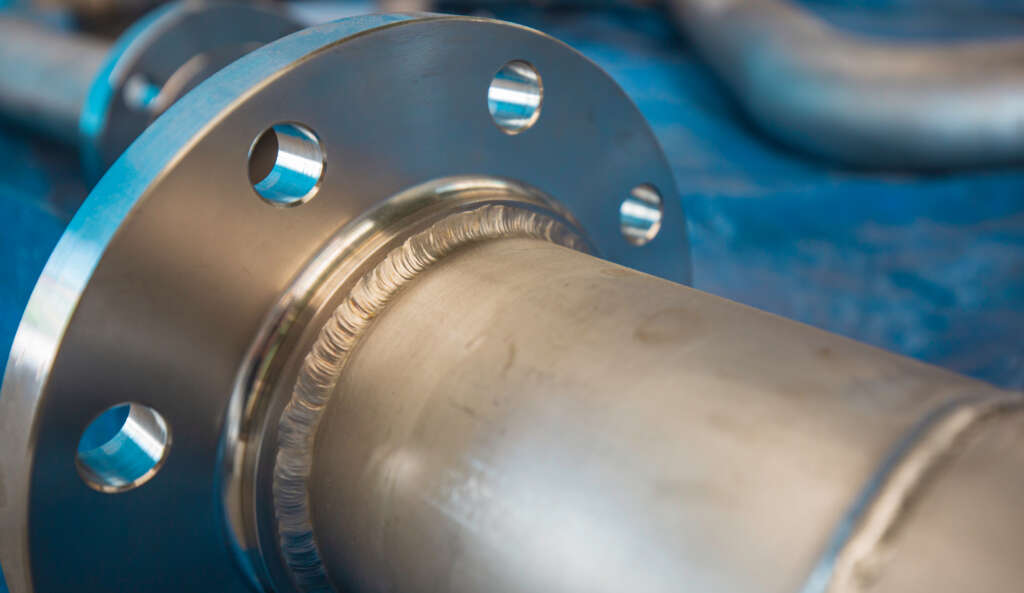
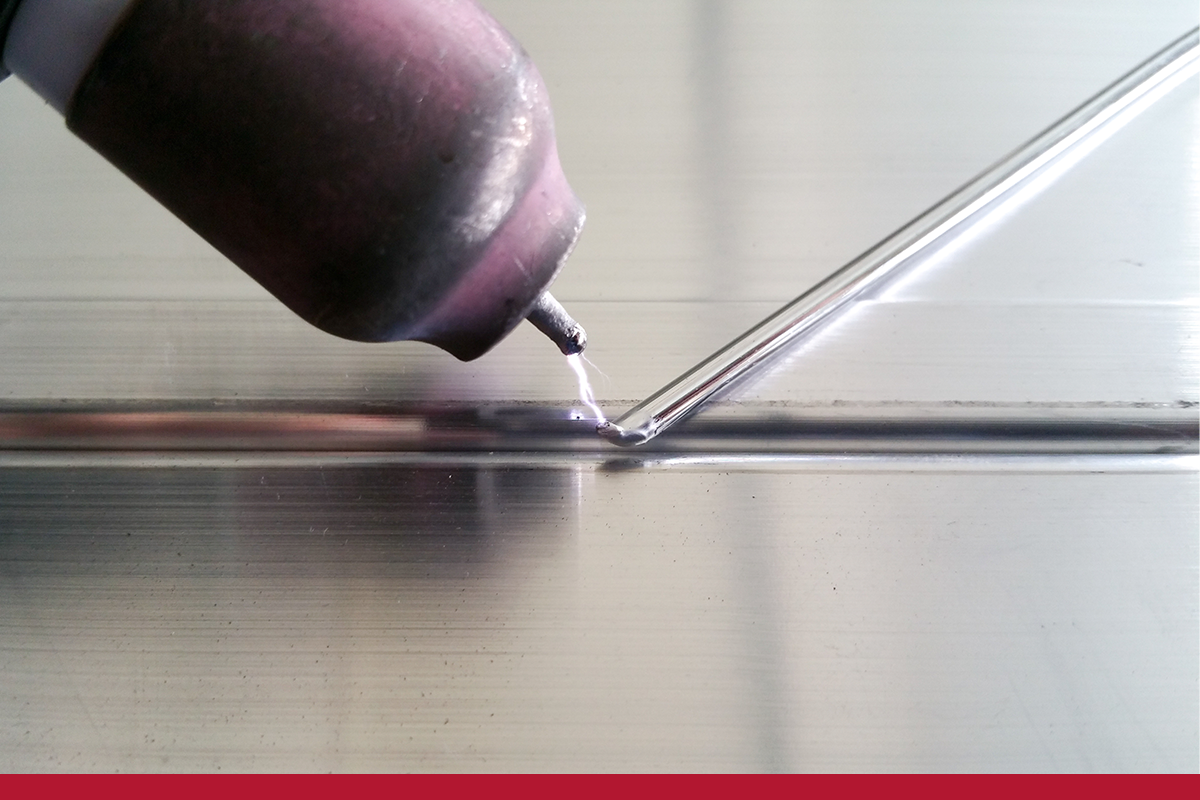
TIG (Tungsten Inert Gas) welding is an electric arc process using a non-consumable tungsten electrode that enables high-precision joints to be made in materials such as stainless steel, aluminium or carbon steel. It is particularly used in applications where the finish of the weld bead, control of penetration and the cleanliness of the process are key factors.
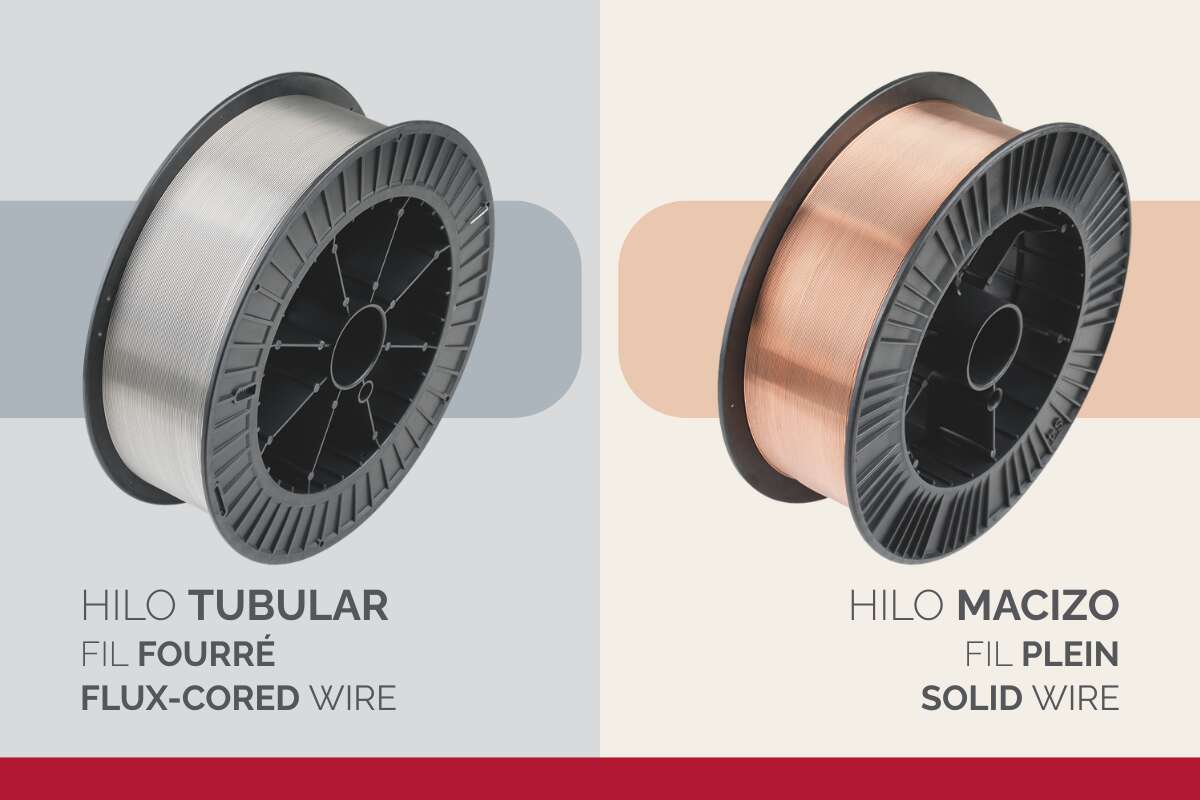
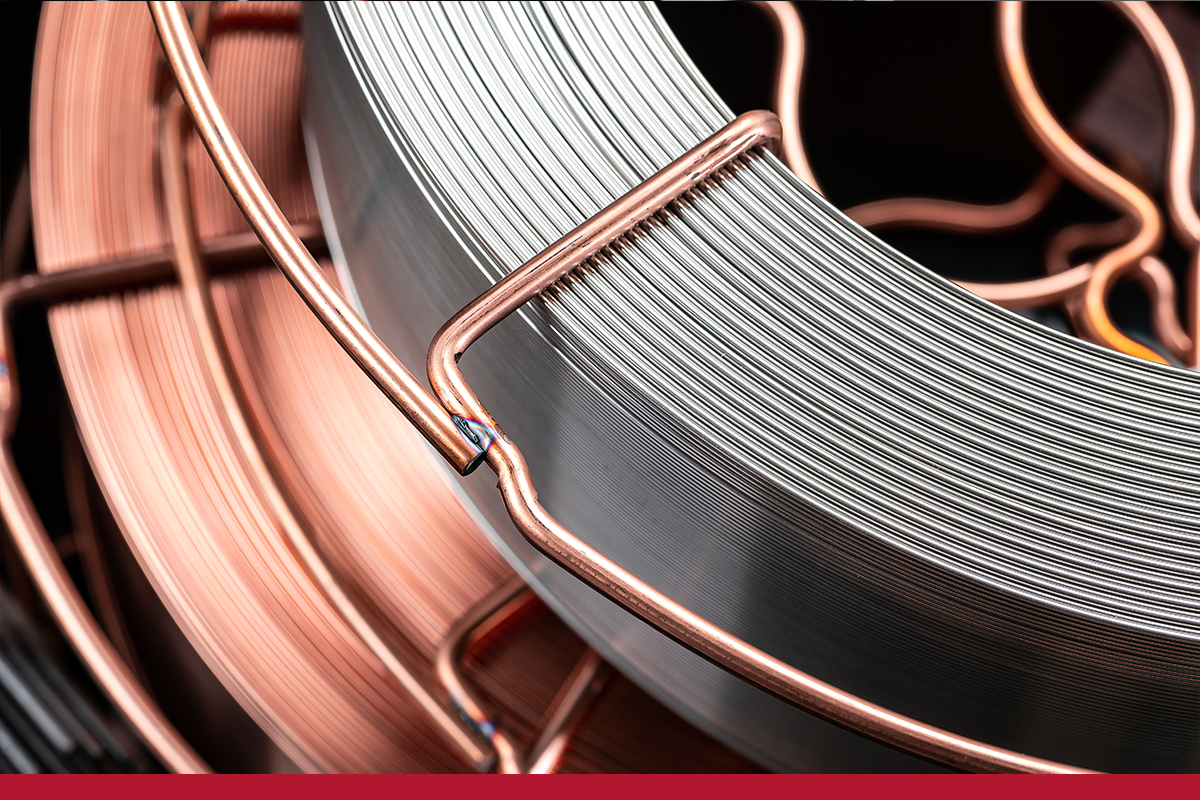
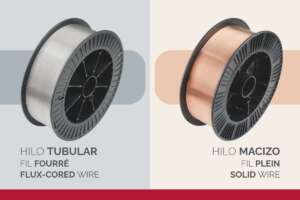
Unlike other welding processes that use continuous consumables, such as solid wire or flux-cored wire, TIG welding uses separate filler rods and allows for greater control over the molten pool and bead formation. Therefore, the correct selection of filler rods, tungsten electrodes and accessories is key to achieving consistent results in metal fabrication, structural work and industrial maintenance.
Characteristics of the TIG welding process in industrial applications
TIG welding uses a non-consumable tungsten electrode and an inert shielding gas, usually argon, to isolate the molten pool from atmospheric contamination. This method allows for high precision and produces joints of high metallurgical quality, particularly in sensitive materials or on parts where the visible finish is important.
Thanks to the control of the heat input, this process is particularly suitable for thin and medium-thickness sheets, precision components and joints that require a well-defined weld bead. It is therefore commonly used on stainless steel, aluminium and special alloys in sectors where the quality of the weld has a direct influence on the performance of the assembly.
Filler rods for TIG welding, by base material
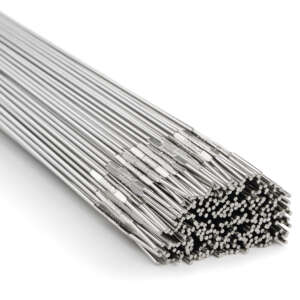
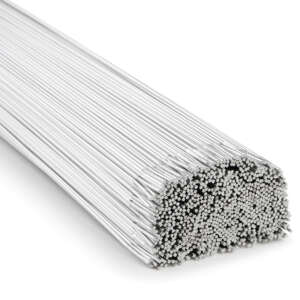
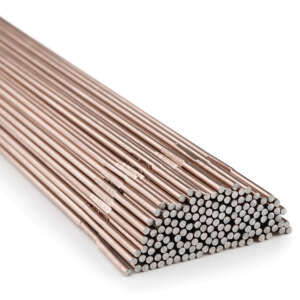
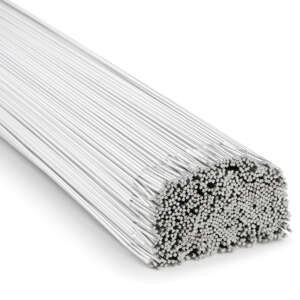
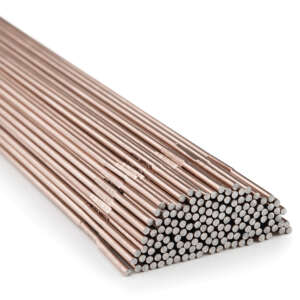
TIG rods are used to complete the weld, ensuring compatibility with the base material and promoting proper bead formation. They should be selected based on the alloy type of the base material, the thickness of the workpiece, and the mechanical or environmental requirements of the application.
In this process, rods are typically used for carbon steel, stainless steel and aluminium, each tailored to the working conditions and the expected performance of the joint. Choosing the right filler material helps to improve penetration, reduce defects and achieve a more uniform and durable weld.
Tungsten electrodes in TIG welding and arc stability
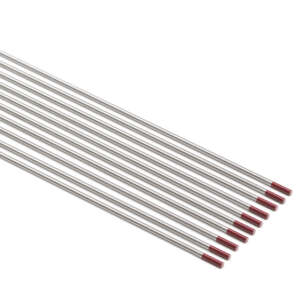
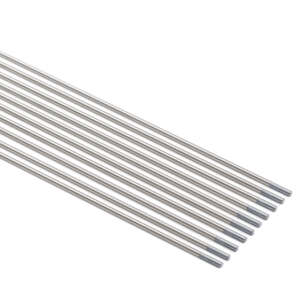
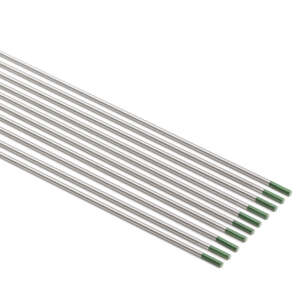
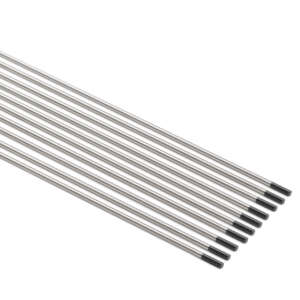
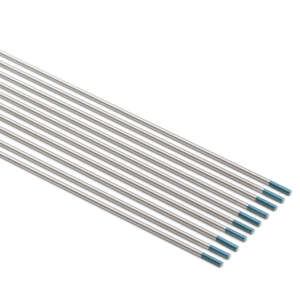
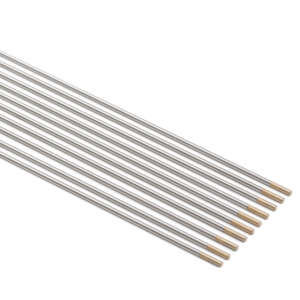
The tungsten electrode is an essential component in TIG welding, as it generates the arc without being consumed whilst the weld is being formed. The type of tungsten influences factors such as ease of ignition, arc stability and thermal behaviour during the process.
Depending on the material to be welded and the working conditions, different types of tungsten electrodes can be used. Choosing the right one helps maintain a more stable arc, improves the consistency of the weld bead and facilitates precision work in industrial applications.
TIG welding accessories and process control
In addition to the filler material and the tungsten electrode, TIG welding requires accessories that help maintain stable conditions during the process and improve the quality of the joint. These include torch components, guide elements and auxiliary solutions for protection and the correct formation of the weld bead.
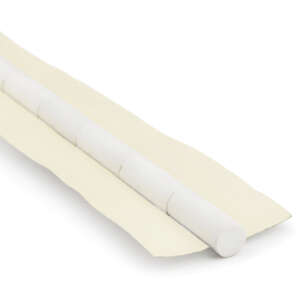
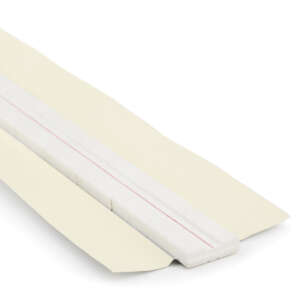
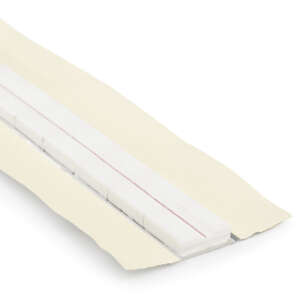
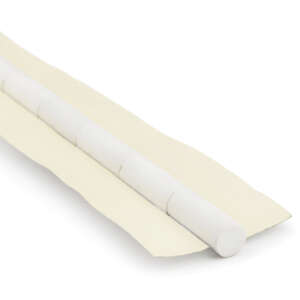
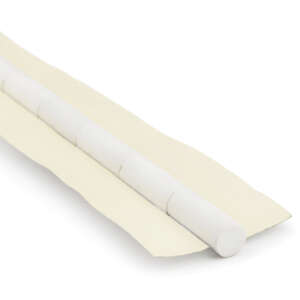
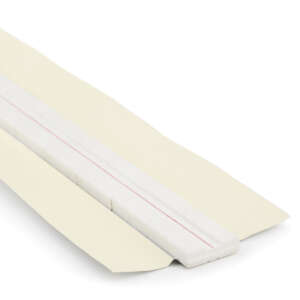
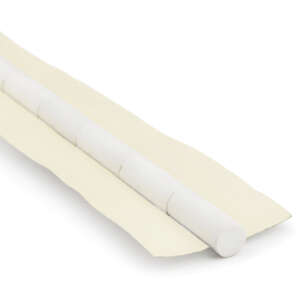
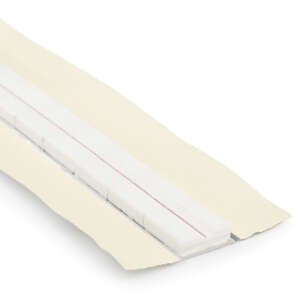
Among these accessories, the ceramic backing for welding plays an important role in full-penetration joints, as it acts as a support at the root and helps to achieve a better bead configuration on the back face. This type of solution is particularly useful in jobs where good joint formation is required on both sides.
Common applications of TIG welding in metal fabrication
TIG welding is used for jobs that require a high degree of process control and a superior finish, particularly on thin and medium-gauge sheet metal or on materials where a clean weld joint is a priority. It is a common solution in the manufacture of metal structures, pipework, vessels and technical components.
It is also frequently used in industrial maintenance operations and in applications where dimensional accuracy and weld bead uniformity are critical. The right combination of filler rods, tungsten electrodes and accessories allows the process to be adapted to different materials and working conditions, improving weld reliability and process efficiency.